Ladle by Ladle: Three Rooms, Three Soups and the Quiet Rivalry Behind Trelispen’s Winter Lunches

Photo: Wolfmann, CC BY-SA 4.0, via Wikimedia Commons
There is a soup circuit in Trelispen, and the odd thing is that nobody organised it. No committee, no leaflet, no group chat. It simply happens, week after week, in three rooms that have nothing in common except a hob, a hatch and somebody willing to get there early to chop onions.
Between November and March you can eat a bowl of soup in this town on a Tuesday, a Thursday and a Saturday. Do it properly and you will never pay more than £3.50, never eat the same bowl twice, and never once have to explain yourself to a waiter. Regulars call it the circuit. Only people who moved here recently call it a crawl.
Stop one: the church hall, Tuesday, half eleven
St Cuthbert’s hall smells of floor polish and leeks, in that order. The hatch opens at 11.30 sharp because it has always opened at 11.30, which is not the same as a reason but is close enough for Trelispen.
Doreen Vellacott has run the Tuesday kitchen for nine years. Her soup changes weekly and is announced in green handwriting on the glass noticeboard outside the corner shop — leek and potato in November, something involving a squash in December, and in January a lentil soup that regulars describe, affectionately, as ‘substantial’.
‘People think it’s about the soup,’ she says, ladling. ‘It’s about sitting down. Half of them live on their own. You can’t charge for sitting down, so we charge for the soup.’
Bowl: £3, bread included, refills by donation. The room seats forty at a squeeze and regularly holds fifty, which means the last ten arrive to find the chairs already spoken for and stand quite happily by the hatch, balancing bowls on the radiator shelf.
Stop two: the back room, Thursday, twelve
The Copper Kettle on Fennel Row sells one soup out the front and a different soup out the back, which sounds like a scandal and is in fact just Neil Prout’s arrangement with the owner.
Neil cooked in school kitchens for twenty-two years and now runs the Thursday service with the air of a man who has seen things. His soup is the most argued-about on the circuit because he refuses to write the recipe down.
‘If I write it down, someone argues with the quantities,’ he says. ‘If I don’t, they argue about what’s in it. I’ve chosen my argument.’
The back room seats twenty-two and often seats thirty. The queue spills into the yard, where there is a bench, a rosemary bush and a laminated sign saying PLEASE SHUT THE GATE. Thursday is the most orderly of the three stops, mainly because Neil’s regulars have developed an unspoken system of coats on chairs that would baffle an anthropologist.
Stop three: the community centre, Saturday, eleven till two
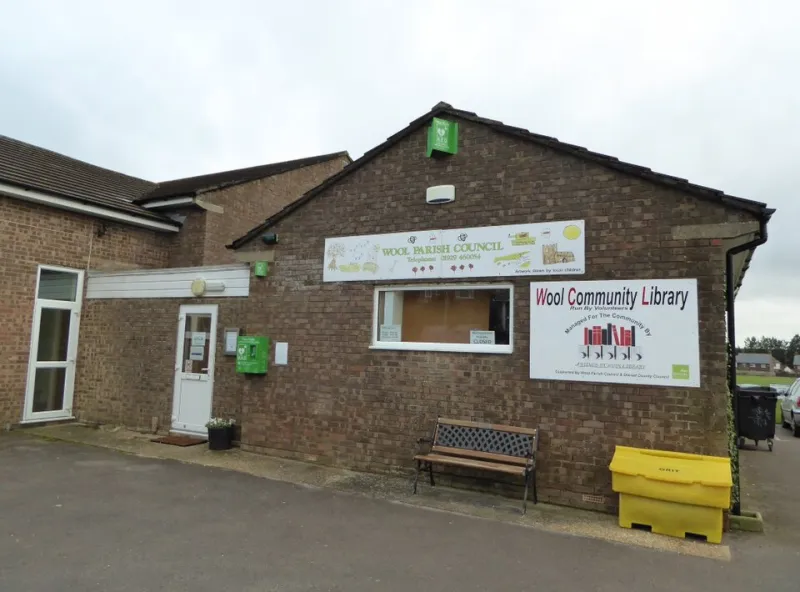
Marrow Lane is the big one. Two soups, one always vegetarian, both served from the kitchen hatch to anyone who turns up. Aisha Bhandari took it over in 2023 and added a third pot — ‘whatever’s going’ — made from the community fridge’s about-to-turn vegetables. It is, by common consent, the most interesting bowl of the week and the only one you cannot plan for.
Saturday is where the circuit gets generational. Toddlers, teenagers, the Ring Road block, the allotment crowd still in their wellies. It is the noisiest room by a distance and the only one where you will be asked, by a stranger, whether you have tried the second pot yet.
The bread question
Here is where the circuit gets properly competitive.
Hal Trevaskis bakes for Saturday — dark, sour, cut thick enough to stand a spoon in. Tuesday runs on a white bloomer from the bakery on the high street, ordered fresh that morning. Thursday is the interesting one: Neil does his own focaccia and refuses to discuss it, and a small faction at the back of the room has been quietly bringing their own rolls since October.
‘It’s not a criticism,’ says one of them, who would rather not be named. ‘It’s a preference.’
Asked to rank the three, Doreen paused for four full seconds and said: ‘Ours is the most reliable.’ A sentence that will start an argument if you repeat it in the wrong room.
Queue etiquette, as understood
Nobody wrote the rules down. They exist anyway, and they are enforced by eyebrows.
- If you have been before, bring your own spoon. If you have not, someone will lend you one, and you will be expected to bring your own next time.
- Do not sit in the corner seat by the radiator at St Cuthbert’s. It is Ray’s. Ray is not there every week. The seat is still Ray’s.
- Never ask for the recipe before you have finished eating. Asking mid-bowl is taken as a comment on the soup.
- Return your bowl to the hatch. Every room, every week, no exceptions — even at Marrow Lane, where there is a trolley.
- If you are new, you get served first. This is the only rule ever announced aloud, and it is announced every single week.
What the circuit is actually for
The three kitchens do not coordinate. No shared suppliers, no joint rota, no recipes traded. Doreen has never met Aisha, which genuinely surprises people who assume there must be a spreadsheet somewhere.
What there is instead is a shared crowd. The same faces turn up at all three, complaining about parking, comparing ladles, reporting back. A woman called Margaret does Tuesday and Saturday and skips Thursday on the grounds that it ‘clashes with her thing’. A retired teacher named Bill has eaten at all three every week since November and keeps a small notebook of which soup was best. He will not show you the notebook. He will, however, tell you the running order.
Then March arrives, the halls go back to being halls, the hatch comes down and everyone waits for the noticeboard to go green again.
Practical notes
Cash is still king at two of the three, though Marrow Lane has a card reader now. Bring a fiver and a spoon. Arrive early, leave slowly, and if you take the last of the bread, say so loudly — it is the closest thing this town has to a formal apology.