The Sheds That Trust You: A Tour of Trelispen’s Unstaffed Shop Trail
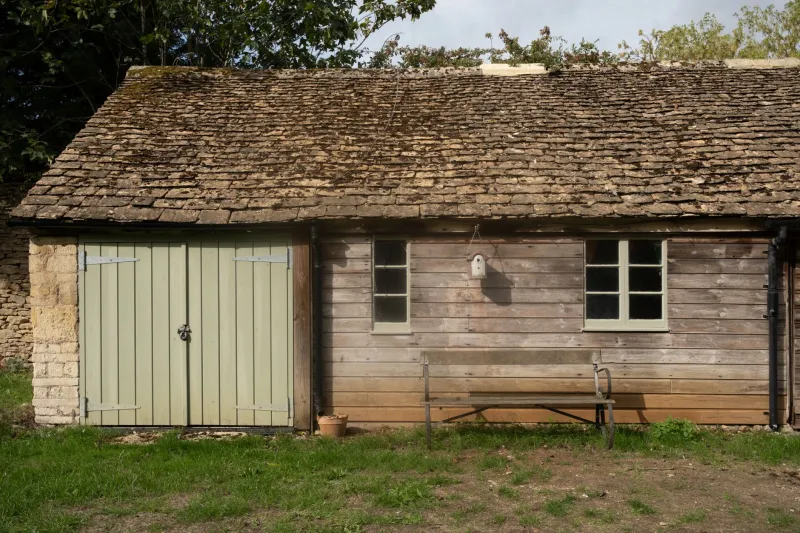
On a wet Tuesday morning in November, Coombe Lane smells of wet leaves and, faintly, of eggs. At the end of a row of stone cottages there is a shed the size of a wardrobe, a handwritten sign and a Tupperware box with a slot cut in the lid. No till. No camera. No assistant. Just a tray of half-dozens, a price list and the assumption that you will do the right thing.
Trelispen has a fair few of these places tucked down lanes, beside allotments and at the end of driveways. They are not a new idea, but in 2026 they feel different. With household budgets still tight and card payments everywhere, the honesty box is a small, stubborn bit of local infrastructure. It is also a fascinating little economy: part shop, part trust exercise, part community noticeboard.
The rules are not written down, but everyone knows them
Ask regulars and they will list the etiquette without pausing for breath. Bring change. Close the lid. Don’t rummage through the stock like it’s a jumble sale. If you take the last jar, leave a note. Don’t haggle with a shed. And if something is wrong — the fridge is warm, the eggs are cracked, the money tin is overflowing — tell the seller rather than sorting it out yourself.
‘It’s not a charity, but it’s not a supermarket either,’ says Marian, who runs the Coombe Lane egg shed with her husband. ‘People understand that. You pay what it says, you take what you need, and you leave the rest for someone else.’
Five sheds worth a detour
Coombe Lane Egg Shed. The benchmark. A small fridge, a slate price board, half a dozen eggs for £2.80. The Tupperware box is held shut with an elastic band. Marian says the biggest problem is not theft but wind: ‘The sign ends up in the hedge every other week.’
Chapel Row Jam Shelf. A covered shelf beside a garden gate, stocked with jam, marmalade and chutney in reused jars. Prices hover around £3.50. There is a brown envelope for notes and coins and a laminated card that says, simply, ‘Please don’t swap lids.’
The Paperback Parlour. An old bus shelter near Trelispen Recreation Ground has been repurposed as a paperback exchange. Fifty pence for most titles, £1 for anything with a map in the front. Leave a book, take a book, or just leave the money and run — the choice is yours.
Quay Hill Veg Crate. A wooden crate under a lean-to, filled with whatever is glutting that week: runner beans, courgettes, the occasional enormous marrow. Suggested prices are chalked on a slate. ‘Pay what you think is fair,’ the sign says, ‘but don’t take the mickey.’
The Allotment Gate Fridge. Milk, cheese, eggs and sometimes a few jars of chutney, all tucked beside the gate of the Trelispen allotments. The fridge hums loudly. The Tupperware box has a slot in the top and a label that reads ‘Thank you — and please close the door properly.’
Pricing, pilfering and the odd Tupperware mystery
Most sellers price in round numbers because making change is the enemy of the honest box. They also price below shop rates, not as a race to the bottom but because the overheads are low and the point is to sell what they have.
Pilfering happens, but it is rarely the thing sellers talk about first. Weather, change shortages and the awkwardness of cash-only selling come up more often. One grower told me someone left an IOU for 40p and paid it a week later. Another said a family once overpaid by £2 and left a note saying they had taken extra eggs by mistake.
‘You get the odd person who thinks it’s a free-for-all,’ says Colin, who helps run the Quay Hill crate. ‘But most people are honest. The bigger issue is that not everyone carries cash now. We tried a QR code for a while, but half the older customers didn’t want to use it and half the younger ones wanted to scan and go. In the end, the box stayed.’
That cash-only reality is part of the cost-of-living story. Honesty boxes can be cheaper because there is no card machine, no packaging and no middleman. But they also exclude anyone who has stopped carrying coins. It is a small reminder that ‘local’ and ‘accessible’ are not always the same thing.
Why a jam jar can feel like a small revolution
It would be easy to romanticise all this. A shed is not a supermarket, and a Tupperware box is not a payment system. Food hygiene matters, stock is unpredictable and one bad week of weather can wipe out a display. But there is something quietly powerful about a place that trusts you before it has met you.
Honesty boxes make small-scale selling possible. They turn a glut of courgettes into a few pounds and a conversation. They let someone buy six eggs without a plastic tray, a receipt or a self-service till. And they make a lane feel like a place where people live, rather than a route to somewhere else.
If you go, take coins. Close the fridge. Leave the lid on the jam. And if you take the last half-dozen, write a note. The shed will trust you either way — but it is nicer when you deserve it.