The Pastry Line: Trelispen’s Crimp Census and the Arguments It Started
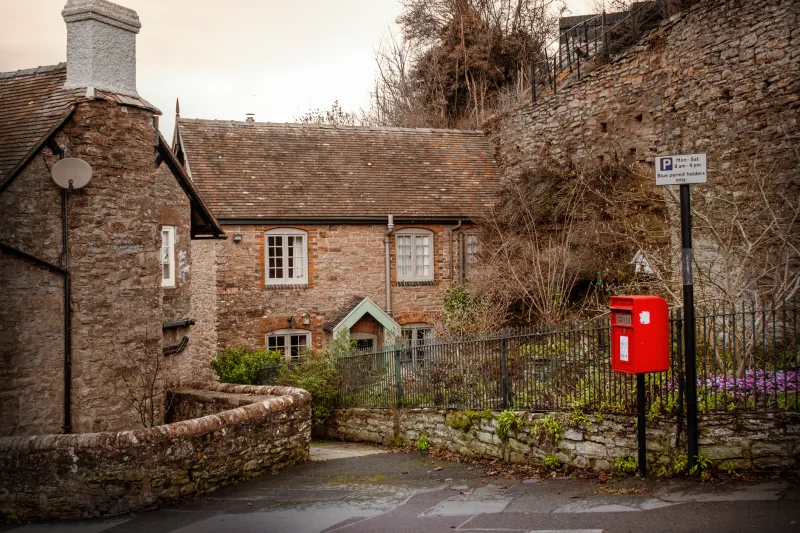
On a damp Saturday morning in Trelispen, the market square smelled of onions, coffee and mild disagreement. A woman in a waxed jacket was holding a clipboard. A man beside her was holding a pasty. ‘Side crimp,’ she said, ticking a box. ‘Top crimp,’ he said, not moving. This was not a quarrel, exactly. It was the opening shift of the Great Trelispen Pasty Census of 2026, a town-wide count of how we fold our lunch.
Counting the uncountable
The census was the idea of a loose group of residents who call themselves the Trelispen Pasty Research Group, which sounds grander than it is. There are six of them, one laminator and a shared spreadsheet. Their method was simple: volunteers stood near bakery counters, school gates and market stalls with tally sheets divided into four boxes — side crimp, top crimp, ‘both, somehow’ and ‘don’t know, ate it’. They counted pasties, not people. They did not ask for proof of residency. They did ask for opinions, which turned out to be freely available.
Across the town, 2,314 pasties were logged over nine days. The headline figure was close: 52 per cent side crimp, 44 per cent top crimp, with the rest falling into the cheerful category of ‘freestyle’. But the street-by-street map is where the real story lives. Fennel Row leaned side crimp (61 per cent), perhaps because of the long-standing bakery on the corner and its habit of wrapping pasties in paper so thin you can read the fold through it. The Ring Road block went top crimp (58 per cent), a result one volunteer described as ‘not surprising, given the prevailing wind and the number of people who eat lunch in their cars’. The Saturday market was split almost exactly down the middle, which may be the most Trelispen statistic of all.
Three bakers, three creeds
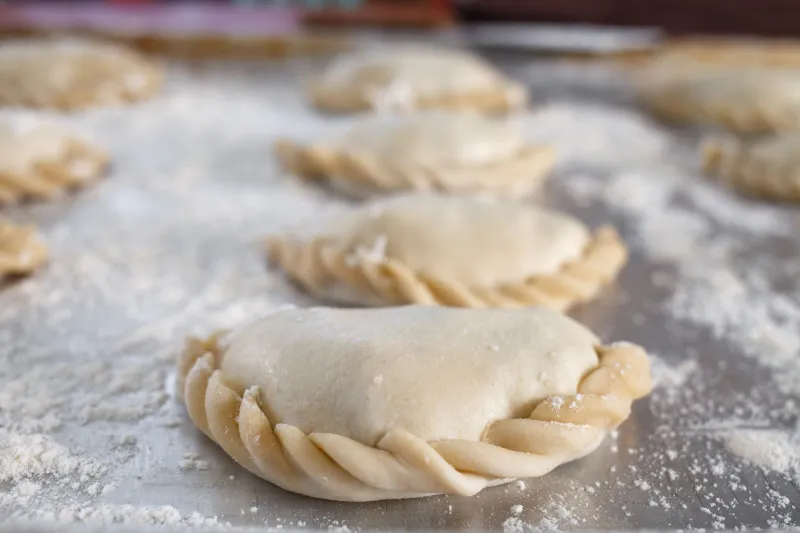
At The Flour Loft on Market Street, Mave has been making pasties for 22 years and top-crimping for all of them. ‘A top crimp is a lid,’ she says, pressing a thumb into the pastry as if demonstrating a magic trick. ‘It seals the filling in, it holds its shape, it travels well. A side crimp is lovely, but it’s a bit of a show-off.’ She is smiling. She is also entirely serious. Her pasties are tall, generous and crimped in a neat rope across the top, like a pie that has decided to be a pasty.
Dev at Cobble & Crust on Fennel Row takes the opposite view. ‘Side crimp is the original,’ he says. ‘You fold, you seal, you crimp along the edge. That’s it. No lid. No nonsense. The top crimp came later, when people wanted their pasties to look like something from a magazine.’ Dev’s pasties are flatter, wider and unmistakably side-crimped, with a seam that runs around the edge like a coastline. He says his regulars are loyal to the fold. ‘They don’t just buy a pasty. They buy a side crimp. If I changed it, there’d be a meeting.’
Priya at The Little Oven, near the primary school gates, refuses to pick a side. ‘It depends on the filling,’ she says. ‘A leek and potato wants a top crimp. A cheese and onion wants a side crimp. A steak pasty wants whatever gets it into the oven fastest.’ She does both, sometimes in the same morning, and says the children at the school gate have started voting with their lunchboxes. ‘They don’t care about tradition. They care about whether the crimp is easy to hold while running.’
The lifelong side-crimper
Enid, 78, has lived in Trelispen her whole life and learned to crimp from her grandmother. She is a side-crimper by conviction, not habit. ‘A side crimp is a handshake,’ she says, sitting in her kitchen with a tea towel folded on her lap. ‘It says: I have made this for you, and I have made it properly. A top crimp is a bit like a bow tie. Very nice. Not the same thing.’ She took part in the census as a volunteer, but she has doubts about the whole enterprise. ‘You can count folds,’ she says. ‘You can’t count the reason.’
What the numbers won’t tell you
The census organiser, a retired teacher called Helen, says the argument matters more than the recipe. ‘Nobody changed their mind,’ she says. ‘Not one person. But everyone had a nice time. People talked to their neighbours. They talked about their mums and their nanas and the pasty shop that used to be where the phone repair place is now. The pasty was just the excuse.’
She’s right. The most revealing result wasn’t the 52 per cent or the 44 per cent. It was the number of people who stopped to explain their choice. The census didn’t map a town divided. It mapped a town that likes to talk about itself, preferably with pastry in hand. The crimp is not a border. It’s a conversation starter. And in Trelispen, we have never needed much encouragement to start one.
Next year, the group is thinking about counting sausage rolls. The town is not ready. For now, the pasty census has done its job: it has given us something to argue about that isn’t the bins, the bypass or the Christmas lights. Side crimp or top crimp, the pasty still tastes like Trelispen. The only real question is whether you eat the crimp first or save it for last. That, wisely, was not on the ballot.